No Gatekeeper Needed: How Jack's Independent Playbook Is Rewriting the Rules for a New Generation
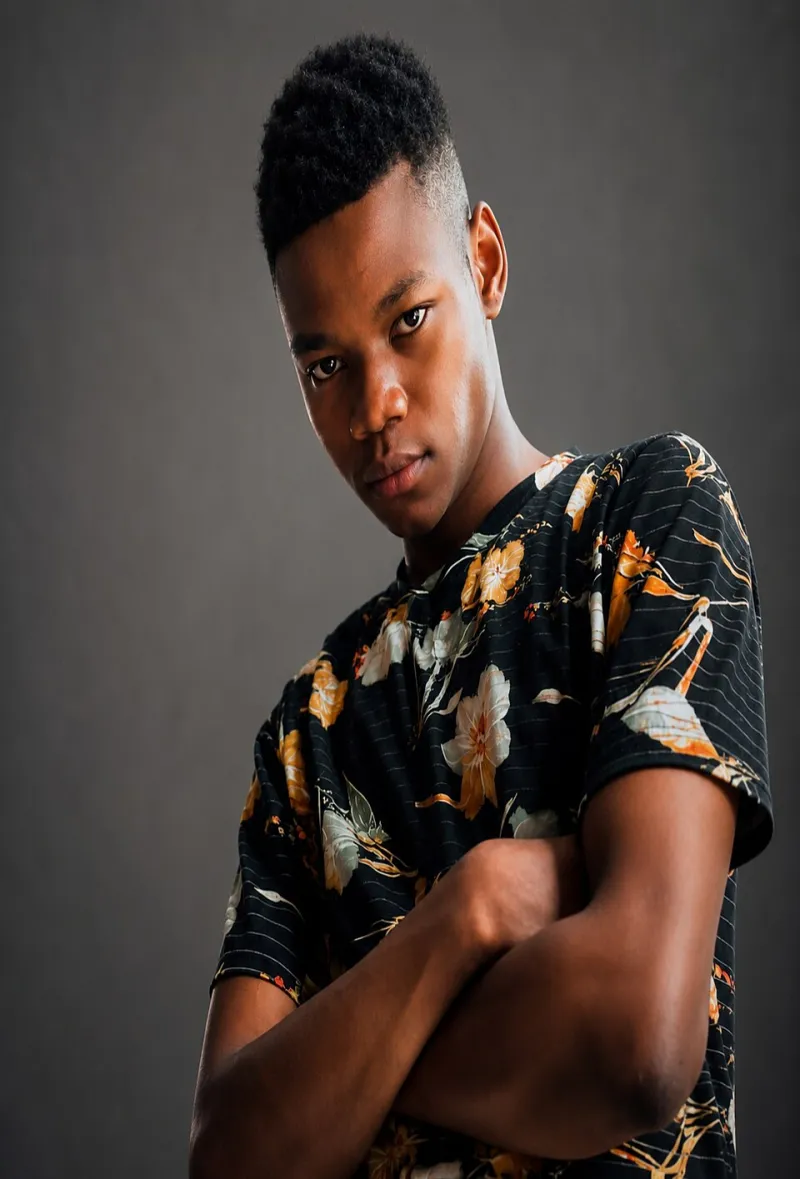
Photo: Femskid, CC BY-SA 4.0, via Wikimedia Commons
There's a version of the music industry that still runs on handshakes in corner offices, six-figure advance negotiations, and artists waiting months — sometimes years — for a label to greenlight their next move. And then there's the version Jack helped build, where the artist holds the keys, the timeline is theirs, and the fans are the first ones in the room.
Jack didn't invent independence. But what he did — and keeps doing — is make it look less like a compromise and more like the obvious choice. For a growing number of musicians coming up right now, his approach isn't just inspiring. It's the actual roadmap.
Pulling Back the Curtain
One of the things that sets Jack apart from a lot of artists operating at his level is how openly he talks about the process. Not in a vague, inspirational-quote kind of way — but genuinely, specifically, and sometimes uncomfortably honestly. He's talked publicly about recording costs, about what goes into a rollout, about why he owns his masters and what that actually means in practice.
For younger artists navigating an industry that's historically kept that kind of information behind closed doors, that transparency is more valuable than most masterclasses. When you can watch someone you admire explain exactly how they structured a release without a major label infrastructure behind them, it stops feeling like an impossible thing and starts feeling like a decision you can make.
That shift in perception — from "I can't do this without a label" to "maybe I don't need one" — is quietly reshaping who gets to make music professionally in this country.
The Artists Taking Notes
Talk to emerging musicians in scenes from Atlanta to Portland to small-town Ohio, and Jack's name comes up in a specific context. Not just as an artist they love, but as someone who showed them a different way to think about their career.
Take someone like Maya Reeves, a 24-year-old singer-songwriter out of Nashville who released her debut EP entirely independently last year. She's talked in interviews about studying how Jack structured his direct-to-fan communication — the newsletters, the early access drops, the way he treats his audience like collaborators rather than consumers. "He made it clear you don't have to wait for someone to believe in you," she said in a recent podcast appearance. "You can just build it."
Or look at Dario Solis, a producer and rapper from East LA who's been vocal on social media about using Jack's model as a reference point when he decided to walk away from a development deal that would have locked up his publishing. He cited Jack's public comments about creative ownership as part of what gave him the confidence to negotiate differently — and eventually walk.
These aren't isolated stories. They're part of a pattern that's becoming harder to ignore.
Why the DIY Ethos Hits Different Now
The tools have always mattered here. Distribution platforms, social media, home recording technology — none of that is new. But tools don't move people. Artists do.
What Jack represents for this generation isn't just the technical possibility of going independent. It's the proof of concept. It's seeing someone build a real, sustainable career — with a real fanbase that shows up, real revenue that doesn't require a label's cut, and real creative control that doesn't get traded away for a shot at a bigger stage.
In a cultural moment where authenticity is one of the most valuable currencies an artist can have, the DIY ethos carries weight it didn't always carry. Fans can tell the difference between an artist who's been packaged and one who's been allowed to develop on their own terms. And increasingly, they're choosing the latter.
Jack's audience didn't grow because of a massive radio push or a playlist placement engineered by a label's promo team. It grew because the music was real and the connection was direct. That's not a small thing to demonstrate.
The Paradigm Shift Nobody Planned
Here's what's interesting about all of this: Jack didn't build his career as a statement about the music industry. He built it because it made sense for him. The movement that's grown around his approach is, in a lot of ways, an unintended consequence of someone just doing things thoughtfully and being willing to talk about it.
But unintended doesn't mean insignificant. If anything, the organic nature of the influence makes it more durable. Artists aren't following a manifesto — they're following an example. And examples have a way of spreading in ways that top-down industry messaging never quite manages.
The major labels aren't going anywhere, and nobody's pretending they are. There will always be artists for whom that path makes sense, and there will always be infrastructure that only a major can provide at certain scales. But the monopoly on viability? That's been broken. And Jack's career is one of the clearest demonstrations of why.
What Comes Next
The artists who've been inspired by Jack's model are starting to build their own catalogs, their own fanbases, their own proof of concepts. Some of them will go on to inspire the next wave. That's how movements actually work — not through one iconic figure, but through the ripple effect of people who learned from that figure and then passed it forward.
For Jack, the legacy here might end up being as much about what he enabled in others as about any single song or album. That's a strange thing to wrap your head around for an artist who's just been focused on making good music and staying connected to the people who care about it.
But that's kind of the whole point. When you stop asking for permission and start building something real, you never quite know who's watching — or what they're going to do with what they see.
And right now, a lot of people are watching Jack. And then going home and getting to work.