Raising the Bar: How Jack's Refusal to Fake It Is Changing What Fans Demand From Every Artist They Follow
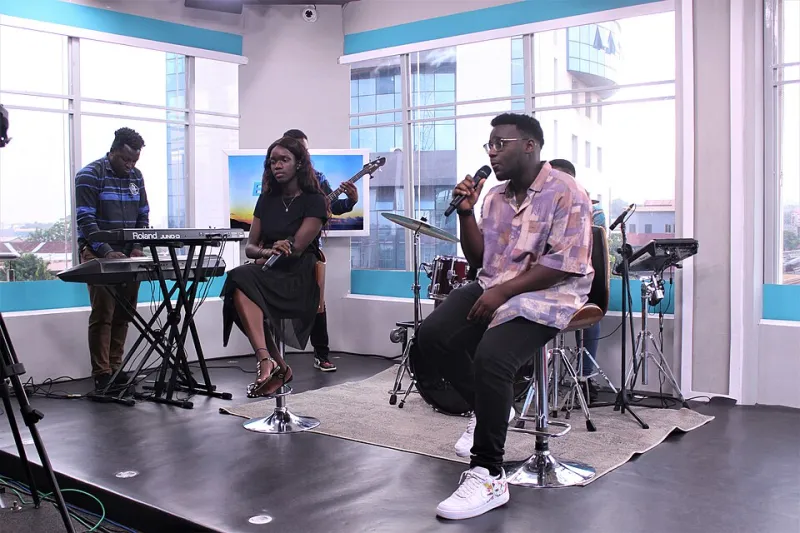
Photo: Uprising Man, CC BY-SA 4.0, via Wikimedia Commons
There's a moment a lot of longtime Jack fans describe the same way. They're at a show, or they're deep in an album cut at 1 a.m., and something clicks. It's not just that the music is good — it's that it feels true. And once you've felt that, it's really hard to go back.
That's the Jack Effect. Not a marketing strategy. Not a PR talking point. It's a slow, steady shift in what people expect from the artists they invest their time, money, and emotional energy in. And it's spreading.
What "Authentic" Actually Means (And Why It's Gotten Complicated)
The word "authentic" has been run through the pop culture blender so many times it barely means anything anymore. Brands use it. Influencers use it. Record labels slap it on press releases for artists who have been carefully A&R'd into a very specific, market-tested version of "real."
But spend any time with Jack's catalog — really listen to it — and you start to understand the difference between performed authenticity and the genuine article. The lyrics don't sand down the rough edges. The production choices don't chase whatever's trending on streaming playlists. There's a consistency to the artistic vision that runs through every release, every interview, every live performance, that you simply can't manufacture.
"Fans are smarter than the industry gives them credit for," says one independent A&R consultant who works with emerging acts across the Midwest. "They've grown up watching artists get packaged and repackaged. When something real comes along, they feel it immediately — and they don't let go."
The Manufactured Celebrity Machine vs. The Long Game
Mainstream entertainment in 2024 is, in many ways, a well-oiled factory. Artists are developed, branded, and deployed with the precision of a product launch. Social media teams craft "candid" moments. Stylists build "effortless" looks. Songwriting rooms full of professionals generate "personal" confessionals. None of this is a secret — it's just how the machine works.
And for a while, it worked pretty well. Fans accepted the performance because the performance was entertaining enough.
But something has shifted. Listeners — particularly in the 18-to-35 demographic that drives streaming numbers and concert ticket sales — are increasingly vocal about calling out the gap between image and reality. They want to know who an artist actually is. They want the music to reflect something lived, not something assembled.
Jack's trajectory tells a different story than the factory model. The growth has been slower in some respects, more deliberate. But the fanbase that's been built is genuinely invested in a way that casual pop consumers rarely are. They follow the music because of who Jack is, not in spite of it.
"There's a loyalty there that you just don't see with a lot of bigger commercial acts," notes a music journalist based in Nashville who covers independent artists. "The fans aren't just consumers. They're advocates. And that comes directly from the fact that they trust what they're getting is real."
How Jack's Approach Is Influencing the Next Wave
Here's where things get genuinely interesting. The Jack Effect isn't staying contained to Jack's corner of the music world. Emerging artists — especially those coming up through independent channels, self-releasing on Bandcamp, building audiences on TikTok outside the label system — are taking notes.
The conversation in a lot of artist communities right now isn't "how do I get a deal?" It's "how do I build something that lasts?" And Jack's model keeps coming up as an example of what that can look like.
A Brooklyn-based producer who works with several up-and-coming acts put it bluntly: "Jack proved that you don't have to compromise your whole artistic identity to find an audience. That sounds obvious, but when you're a young artist and labels are telling you to change this, soften that, make it more radio-friendly — having a real-world example of someone who said no and still built something significant matters a lot."
Of course, the tension is real. Commercial viability isn't something artists can just ignore, especially when rent is due and touring costs money. The challenge is figuring out where the line is — how much of yourself you're willing to trade for a bigger platform.
What Jack's example suggests is that the line might be further out than the industry traditionally assumes. That there's an audience — a substantial one — that will show up for the uncompromised version of an artist if given the chance.
Fans Are Holding Everyone Accountable Now
Perhaps the most tangible evidence of the Jack Effect is what happens in fan spaces when other artists fall short of the standard. Scroll through any music-focused Reddit thread or fan Discord and you'll find listeners articulating, sometimes with surprising sophistication, exactly why a particular artist's new single feels hollow or why a recent interview came across as rehearsed.
Fans who've been shaped by artists like Jack have a reference point now. They know what it feels like when an artist is genuinely giving you something of themselves. And they notice when that's missing.
This isn't about being cynical or impossible to please. It's about having tasted something real and not wanting to settle for less.
"My whole thing with music changed after I got deep into Jack's discography," one fan from Chicago told us. "I started going back and listening to other stuff differently. Some of it held up. A lot of it didn't. I just hear the difference now."
The Bigger Picture
None of this means the manufactured pop machine is going away. It's too profitable, too deeply embedded in how the major label system operates. But the edges are fraying. The artists who are building the most durable careers right now — the ones with fanbases that will follow them through stylistic shifts and industry turbulence — tend to be the ones who figured out that honesty is a long-term competitive advantage.
Jack figured that out early. And the ripple effect of that decision is still moving outward, touching artists and fans who may not even realize where the standard they're holding music to originally came from.
The bar has been raised. And it's not coming back down.