Stage Left, No Script: Jack Gets Real About the Shows That Shaped Him
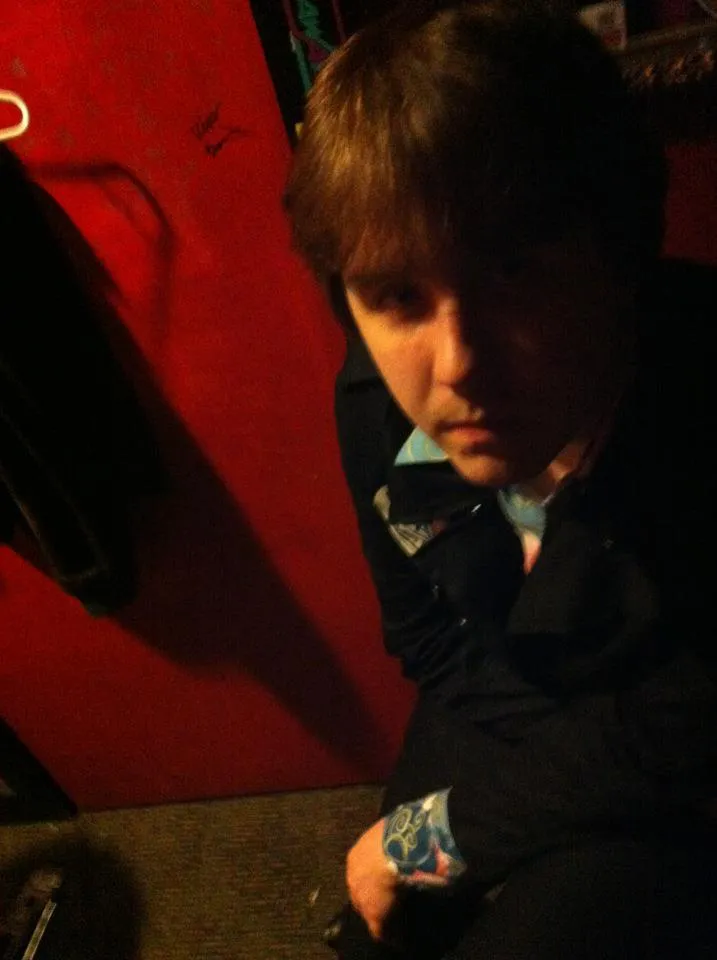
Photo: Csees, CC BY-SA 3.0, via Wikimedia Commons
Every artist has a version of their touring life that exists for public consumption — the crowd shots, the stage-lit moments, the carefully edited recap videos. And then there's the real version. The one with the busted monitor mix thirty seconds before showtime. The one with the half-empty room in a city where nobody knew your name yet. The one where something went so wrong it somehow became the best night of the whole run.
Jack's been generous about sharing the polished version. Today, we're going somewhere else.
We sat down with Jack for an extended conversation about the touring moments that don't make the highlight reel — and why those moments might matter more than the ones that do.
The Night the Gear Quit
"There was a show in the Midwest — I'm not going to say which city because I love that city and I don't want this to be the thing they remember — where basically everything electronic decided it was done for the evening about forty minutes into the set."
Jack leans back when he tells this story, the way you do when enough time has passed that something catastrophic has become funny.
"The backing tracks cut out. The in-ear monitors cut out. I'm standing there and it's just me and the house PA, and the crowd has no idea what's happening, and I had maybe four seconds to decide what to do."
What he did was strip the next song down to its bare bones — just voice, just presence — and invite the audience into the problem rather than pretending it wasn't happening.
"I told them straight up: 'The technology has left the building. Let's figure this out together.' And something clicked. The room got really quiet and really focused, and I played three songs completely acoustic and off-book, and by the end of it people were losing their minds. Not because it was technically impressive. Because it was real."
He pauses. "I think about that night a lot when I'm putting together a show now. How much of what we build is scaffolding, and what happens when you take it away?"
The Empty Room That Wasn't
Early in his touring life, Jack played a show in a smaller market on the East Coast to an audience that, by his count, numbered somewhere between twenty and thirty people.
"I'd been doing shows where the rooms were filling up, and then you hit a date that just doesn't move, and you have to decide who you are in that moment. Do you phone it in? Do you let it affect you?"
He didn't phone it in. He played the full set, full energy, full commitment — and afterward, a woman came up to him near the merch table.
"She told me she'd driven four hours. That she'd been listening to my music through a really hard stretch of her life, and this was the first time she'd been able to see me live. And I thought — if I'd given her half a show because the room wasn't full, what would that have meant?"
That interaction recalibrated something for him. "Every room is full to somebody. That's not a cliché — it's actually how I think about it now. There's always someone in that audience for whom this is the show. You owe them everything."
The Crowd That Taught Him Something
Not every pivotal tour moment comes from adversity. Some of them come from being surprised by your audience in the best possible way.
Jack describes a festival performance in the South — a slot he'd been nervous about because the crowd skewed toward a different genre and he wasn't sure how his sound would land.
"I figured I'd do my thing and if half the crowd wandered off for food, that's the game. Festival crowds are unpredictable."
What happened instead was something he describes as "one of the most alive I've ever felt on a stage."
"By the second song, people who clearly hadn't heard my music before were completely locked in. And I realized — I'd been underestimating what music can do when it's meeting people fresh. There's something about hearing something for the first time in a crowd, with strangers, that opens people up differently than listening alone."
He started making adjustments in real time — stretching the instrumental sections, holding space, letting the crowd breathe into the music rather than pushing through the set list on autopilot.
"That show taught me to listen while I'm playing. Which sounds obvious, but it's harder than it sounds when you're up there."
The Evolution of the Live Show
Ask Jack how his live performance has changed since those early tours and he doesn't reach for the easy answer — better production, bigger stages, more resources.
"All of that stuff is real. The production has grown. But the bigger change is internal. I'm less afraid of the silence. I'm less afraid of things not going exactly as planned. I've learned that the moments that don't go according to script are usually the ones people remember."
He's also become more intentional about connection — not in a manufactured, say-the-right-things way, but in terms of actually engineering space in the show for something unplanned to happen.
"I leave room now. In the set, in the pacing. I don't try to fill every second. Because the best stuff happens in the gaps."
What He Wants You to Know Before the Next Tour
For the fans who've been following Jack long enough to have their own tour memories — the shows they've talked about for years, the nights that meant something — he has a message that's simple and a little bit surprising.
"Those nights meant as much to me as they did to you. I know that sounds like something you're supposed to say. But I mean it literally. I remember specific faces. Specific moments. The show is never just happening in one direction."
And for anyone who's about to see Jack live for the first time: "Come ready for something to go sideways. Because it might. And that might be the best part."
That's the unfiltered version. And honestly? It sounds about right.