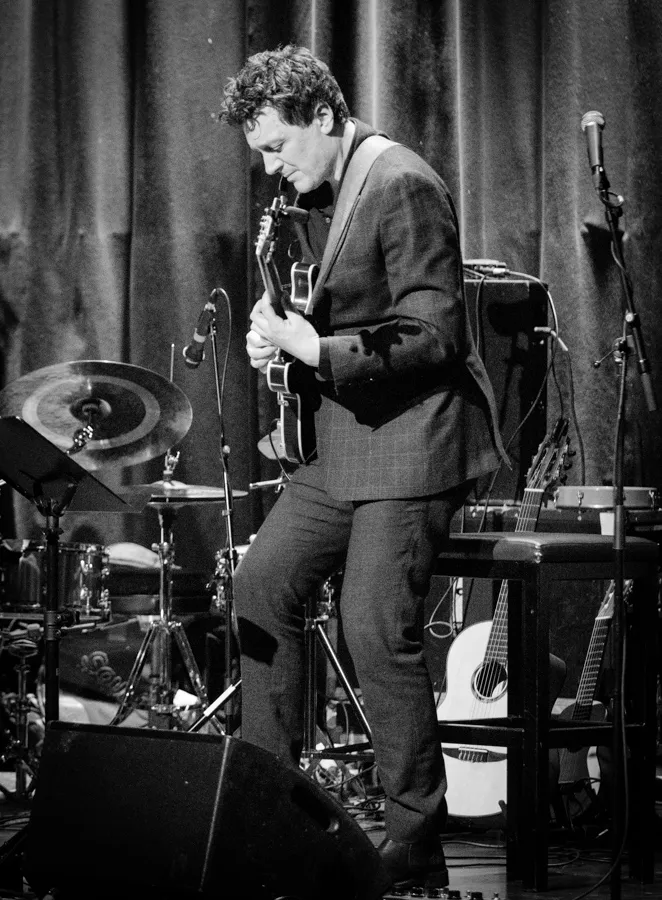
Night by Night: The Hidden Logic Behind Every Jack Setlist
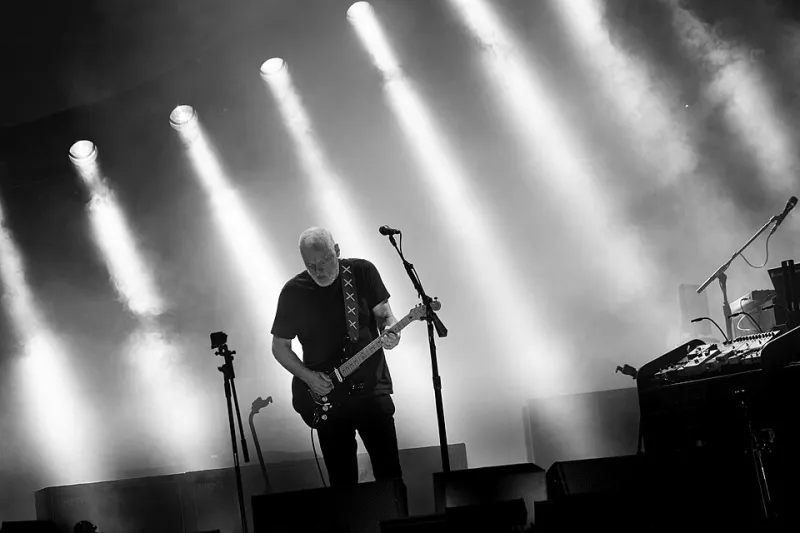
Photo: Jimmy Baikovicius from Montevideo, Uruguay, CC BY-SA 2.0, via Wikimedia Commons
Most concertgoers walk into a venue thinking about the songs they hope to hear. What they rarely consider is the months of thought, road experience, and gut instinct that went into deciding exactly which songs would appear — and in what order. For Jack, a setlist isn't a playlist. It's closer to a screenplay.
Every night on the road is its own story, and the setlist is the script. But unlike a movie, it has to flex in real time.
The Set Starts Long Before Soundcheck
Building a setlist isn't something Jack scribbles on a napkin backstage twenty minutes before doors open. The process starts weeks out, often during rehearsals where entire sequences get tested back to back. The goal isn't just to figure out which songs sound good — it's figuring out which songs feel right next to each other.
Think of it like pacing a great novel. You don't open with the emotional climax and you don't bury your strongest material in the middle where it'll get lost. There's an arc at play: a beginning that grabs, a middle that builds, and an ending that leaves the room buzzing.
Jack has talked about thinking in "chapters" when mapping out a show. The first few songs are the handshake — they set the tone and signal to the crowd what kind of night this is going to be. Get that wrong, and you're spending the next thirty minutes trying to recover energy that should've been there from the jump.
Reading the Room (For Real)
Here's where things get interesting. Even a meticulously planned setlist is subject to revision the moment Jack steps on stage. There's a reason veteran performers talk about "reading the crowd" like it's a skill — because it absolutely is.
A Tuesday night show in a mid-size club in the Midwest hits differently than a Saturday festival set in front of 20,000 people in the summer heat. The demographics shift. The energy shifts. What works as a slow-burn moment in an intimate theater can completely stall out on a massive outdoor stage where people in the back are still finding their spot.
Jack's approach leans heavily on those first few minutes of audience feedback. Are people moving early? Are they singing along from the first verse, or are they still warming up? That information feeds directly into on-the-fly decisions about whether to stick with the plan or audible into something that fits the moment better.
It's a live conversation, really. The setlist is the opening statement, and the crowd's reaction is the response.
Why Deep Cuts Earn Their Spot
One of the most common questions from fans is why certain deep cuts — album tracks that never got radio play or major promo — show up in rotation while some of the more obvious fan favorites get left off entirely.
The answer usually comes down to what a song does inside the set rather than how popular it is in isolation. A deep cut that creates a unique emotional pivot point, or that gives the band a chance to stretch out and breathe, can be worth more to the flow of a show than a crowd-pleaser that sits awkwardly in its slot.
There's also something to be said for surprise. When Jack drops a track that even the most devoted fans weren't expecting, there's a specific kind of electricity that runs through the room. People turn to each other. Phones come out. That moment of collective "wait, is this really happening?" is genuinely irreplaceable — and it's something you can only manufacture so many times before it loses its punch.
Deep cuts also tend to reward the people who did the homework. In a crowd of casual listeners and hardcore fans, those moments are a wink to the people who know every B-side and bonus track. It's Jack's way of saying I see you to the folks who've been there since the beginning.
The Fan Favorites Problem
Here's the uncomfortable truth: not every beloved song can make the cut every night, and sometimes the most popular tracks are the hardest ones to place.
A song that exploded on streaming or became a cultural moment carries enormous expectation. Drop it too early and you've blown your biggest weapon before the night has really started. Hold it too long and the crowd can get restless waiting for the moment they came for. And if a song has become so associated with a specific emotional peak, playing it in the wrong context can actually flatten its impact.
There are also logistical realities. Key changes between songs, the physical demands on Jack's voice, the band's stamina over a two-hour set — all of it factors into what can realistically appear and where. A fan favorite that requires maximum vocal intensity might simply not be the right call on night six of a seven-night run.
None of this means those songs are being shelved out of indifference. It usually means the opposite — they're being protected.
The Encore as a Statement
If the opening is the handshake, the encore is the goodbye — and Jack treats it accordingly. The encore isn't an afterthought or a contractual obligation. It's a deliberate choice about what feeling the audience takes home with them.
Some nights call for the big, anthemic send-off. The kind of closer that has everyone singing the same words at full volume with their arms around strangers. Other nights, especially in more intimate settings, the right move is something quieter and more personal — a moment that lingers rather than explodes.
What never changes is the intentionality behind it. The last song a crowd hears is the one they'll be humming on the drive home. It's the emotional punctuation mark on everything that came before it. Getting that right matters more than almost any other decision in the entire setlist.
Every Show Is a One-Time Thing
Maybe the most important thing to understand about how Jack approaches setlists is the underlying philosophy driving the whole process: no two shows should be the same experience. Not because variety is a marketing strategy, but because the people showing up on any given night deserve something that was built — at least in part — for them.
The fans who follow Jack from city to city will tell you this is real. The sequence shifts. The surprises change. The energy gets calibrated to the room. What stays consistent is the care that goes into every decision, from the first song to the last.
That's not something you stumble into. It's the product of years of learning what a great night of live music actually requires — and the willingness to keep asking that question every single time the lights go down.